 WTFasteners
DIN 7504 vs DIN 7981: What's the Difference?
Both standards cover thread-forming screws for sheet metal — but only one of them drills. Knowing which is which decides whether installation is a one-step or a two-step job.
DIN 7504: the screw that drills its own hole
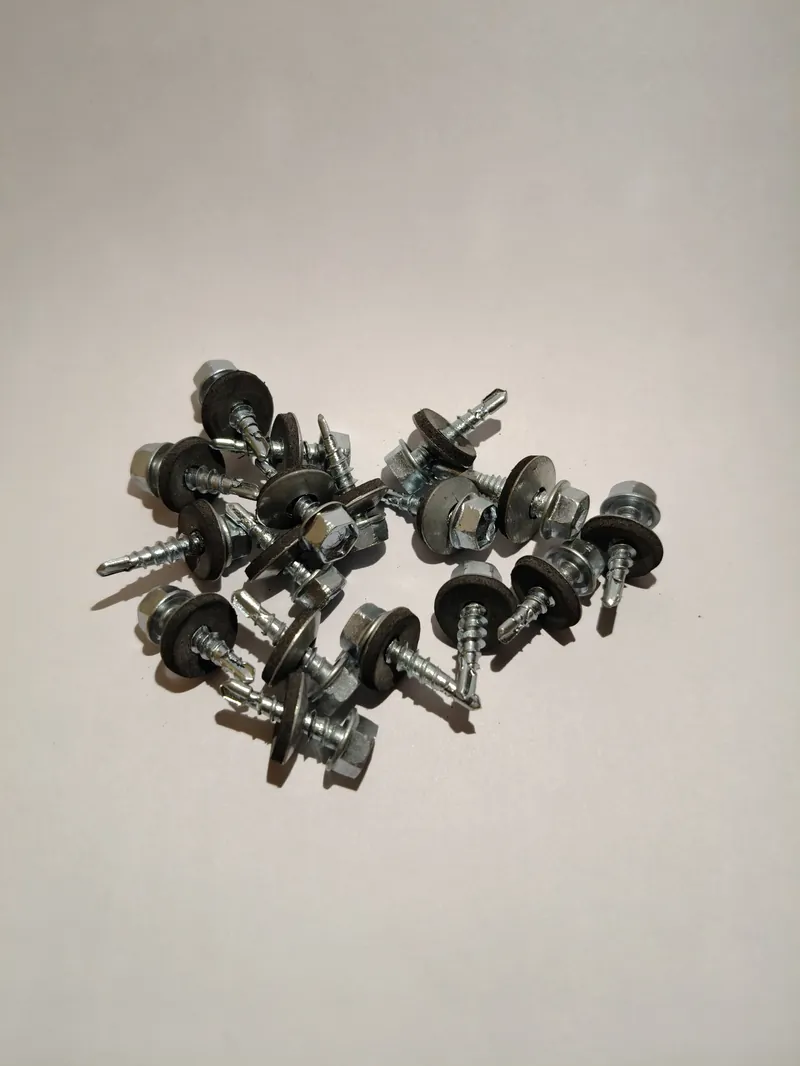
DIN 7504 covers self-drilling screws — thread-forming screws with a fluted drill point instead of a sharp tip. The point cuts a hole in steel sheet and light sections, and the threads then form their mating thread in the wall of that hole, all in one pass with no pre-drilling. The standard spans hex washer heads (the roofing type with EPDM sealing washers), wafer heads, countersunk heads and pan heads. WTFasteners (Hebei W.T Fasteners Co., Ltd.), a source factory in Yongnian, Handan, China, catalogs the DIN 7504 range in sizes #4 through #14, with lengths from 13 mm up to 300 mm on the washer-head types. When the job is fixing steel to steel — roofing, cladding, purlins, ducting — DIN 7504 is usually the faster, cheaper-installed choice.
DIN 7981: the self-tapping screw that needs a pilot hole
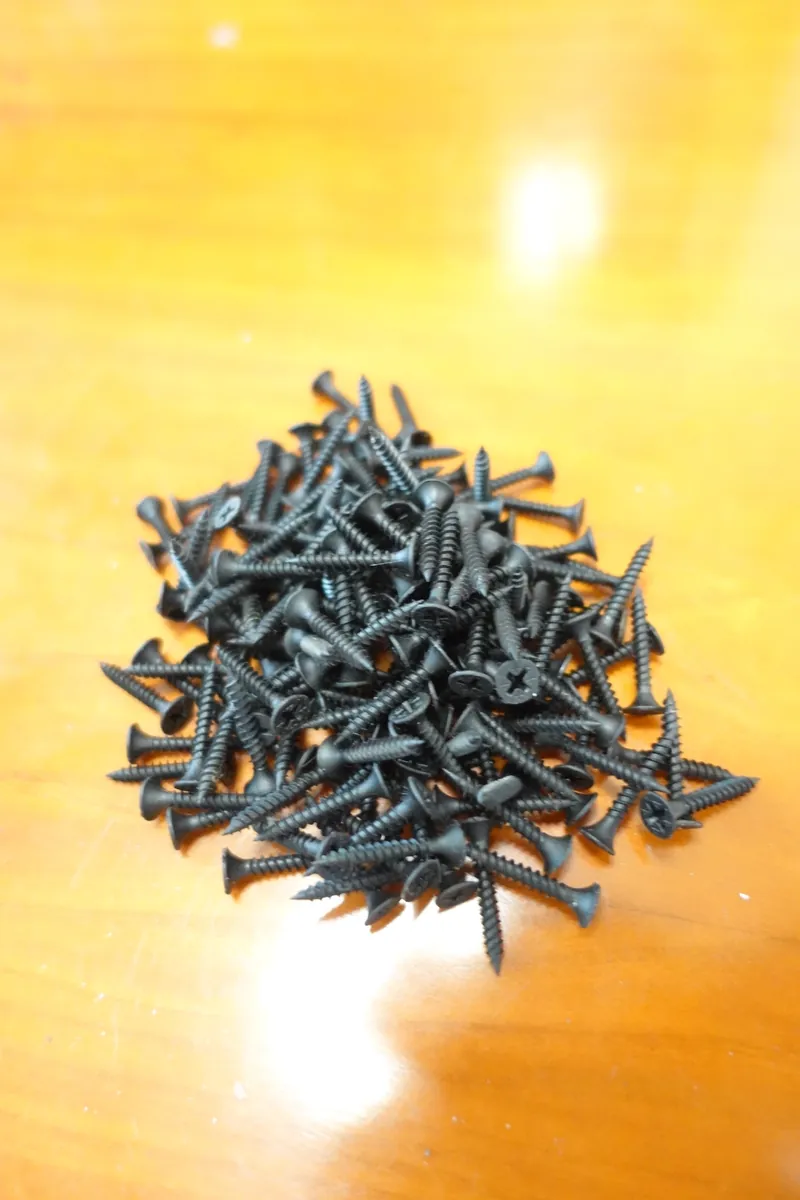
DIN 7981 covers cross-recessed pan head tapping screws — the classic self-tapping screw. They carry a sharp, threaded point rather than a drill bit, so they need a pilot hole (drilled or punched) before they can start; once started, their threads cut or form a mating thread as they drive. Pan head DIN 7981 screws are the general-purpose choice for sheet metal, plastics and thin assemblies where the hole already exists or is easy to punch — electrical enclosures, appliance panels, light brackets. They are not drilling screws, and driving one into solid steel without a pilot hole is how tips snap and threads strip.
The differences that matter on a job site
The practical differences come down to three things. First, installation: DIN 7504 needs one operation — drill, tap and fasten in a single pass; DIN 7981 needs a drilled or punched hole first, which is a second operation on every fixing point. Second, head styles: DIN 7504 offers the washer-bearing heads (hex washer, wafer) that spread load across thin sheet, while DIN 7981 is a pan head standard — neat and low-profile, but with a smaller bearing surface. Third, holding behavior: a self-drilling screw's threads form in a cleanly drilled hole, while a tapping screw displaces material as it cuts, which matters in very thin sheet where thread engagement is already limited.
One caution buyers learn the expensive way: the two are not interchangeable by diameter alone. A #10 DIN 7504 and a similarly sized DIN 7981 look alike in a bin, but only the 7504 will drill through a purlin. Specifying the standard on the purchase order — not just the size — is what keeps the right screw on the truck.
Which one should you order?
Choose DIN 7504 when the screw must make its own hole in steel — metal roofing and cladding, steel purlins and framing, sandwich panels, HVAC ducting. Choose DIN 7981 when pilot holes are already part of the process or the material is pre-punched — enclosures, thin brackets, general sheet-metal assembly. Both are available in zinc, galvanized (G.I.), Dacromet, Ruspert and other catalog finishes from the WTFasteners factory in Handan, China; send the standard, head style, size, length and finish to WhatsApp +86 138 0310 6448 or postmaster@wtfastener.com for a factory-direct quotation.
Have a specification to source?
Send the standard, drawing or sample details to route your inquiry.