 WTFasteners
Self-Tapping vs Self-Drilling Screws: Which One Do You Need?
They look similar in the catalog but install very differently. This guide compares drill-point and thread-forming screws so you can pick the right one for your substrate.
The one-line difference
A self-drilling screw carries its own drill point at the tip. As it turns, the point cuts a hole through the material and the threads follow in the same pass — no pilot hole, one tool, one operation. A self-tapping screw has no drill point: it cuts or forms its own threads, but only inside a hole that already exists, or into soft materials like timber and plasterboard that yield easily. That single design detail — drill point or not — decides the whole installation method, the tools on site and the speed of the job.
Self-drilling screws: one step into steel
Self-drilling screws (DIN 7504) are built for steel sheet, purlins and light structural sections. The fluted drill point bores through the sheet, and the threads tap into the drilled hole right behind it. Catalog sizes run #4–#14, and hex washer head versions are commonly supplied with EPDM bonded sealing washers that compress under the head to weather-seal the fixing point. If the job is fixing steel to steel, or cladding to purlins, the self-drilling screw is the one-step answer — and on a roof with thousands of fixings, eliminating the pre-drilling pass is the whole economy of the job.
Typical applications are metal roofing and wall cladding, sandwich and insulated panels, light-gauge steel framing and HVAC ducting — anywhere a crew wants to fix thin steel without a second drilling step.
Self-tapping screws: for timber, drywall and pre-drilled metal
Self-tapping screws (DIN 7981 pan head, DIN 7505 and related forms) cut or form threads as they are driven, but the installer must drill or punch the pilot hole first in hard materials. They excel where a drill point cannot help: chipboard and timber screws bite into wood fibres, drywall screws (DIN 18182) fix plasterboard to timber or steel studs, and thread-forming types assemble pre-punched sheet-metal parts. Catalog screw sizes again run #4–#14, so the two families overlap in size — the choice is about the substrate, not the diameter.
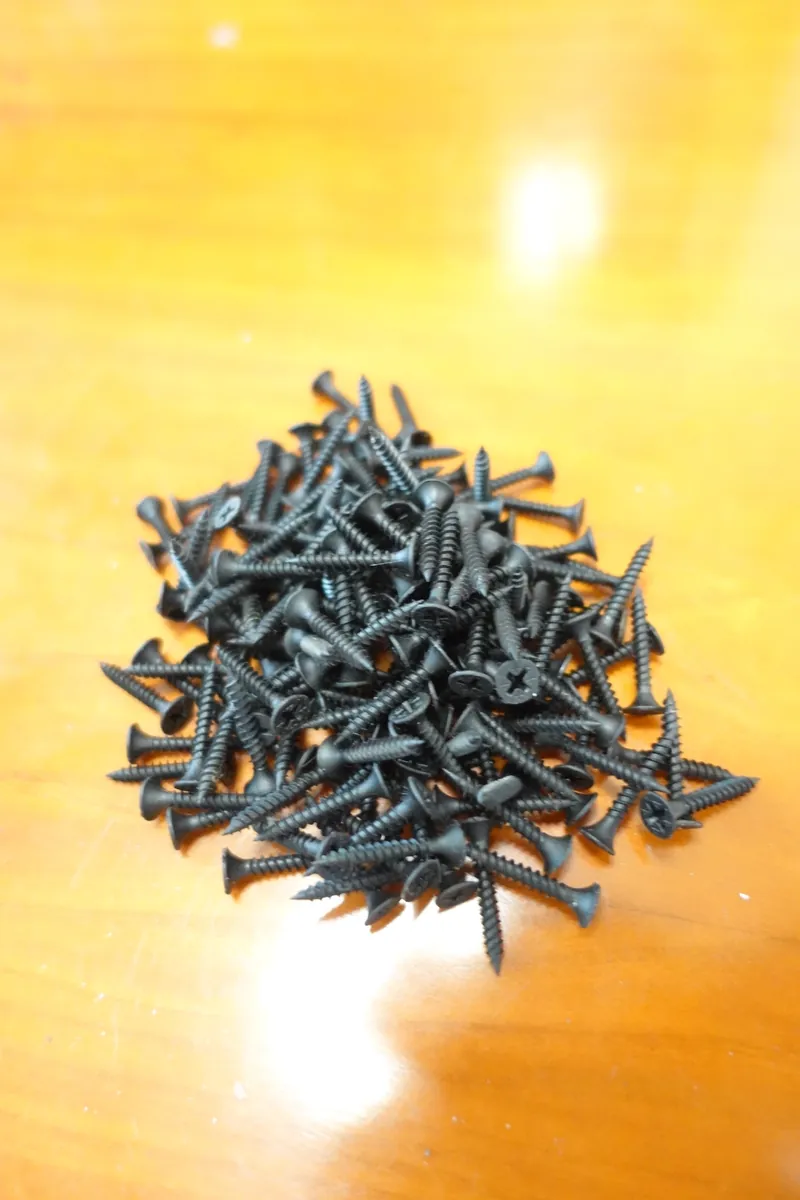
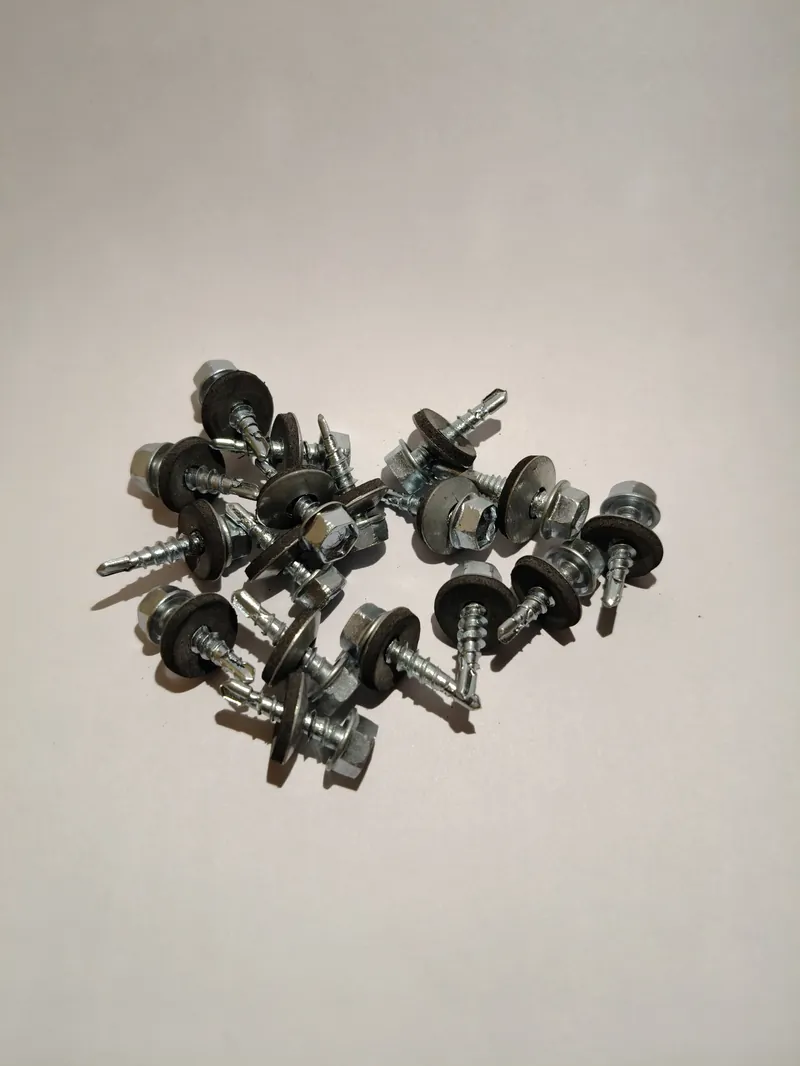
Which one do you need? A quick decision guide
Ask three questions. First, what is the substrate? Steel sheet or purlins point to self-drilling; timber, board or plasterboard point to self-tapping. Second, is a one-step installation worth paying for? Drill-point screws cost more per piece than plain self-tappers, but on steel work the labour saved dwarfs the difference. Third, what does the back side look like? Drill points need clearance behind the sheet to break through; in tight or blind assemblies, a pre-drilled self-tapping screw is the safer choice. When in doubt, name the materials and their thicknesses in your inquiry and the factory will confirm the right point style and length.
Specifying them in your RFQ
Send the standard (DIN 7504 for self-drilling; DIN 7981, DIN 7505 or DIN 18182 for self-tapping), the size (#4–#14), length, head style, finish and quantity. WTFasteners — Hebei W.T Fasteners Co., Ltd. — is a source factory in Yongnian, Handan, China: see the self-drilling screw range for the DIN 7504 catalog, or request a quotation — WhatsApp +86 138 0310 6448, postmaster@wtfastener.com — with your material and thickness details.
Have a specification to source?
Send the standard, drawing or sample details to route your inquiry.